
Event Photography Checklist for Corporate Events
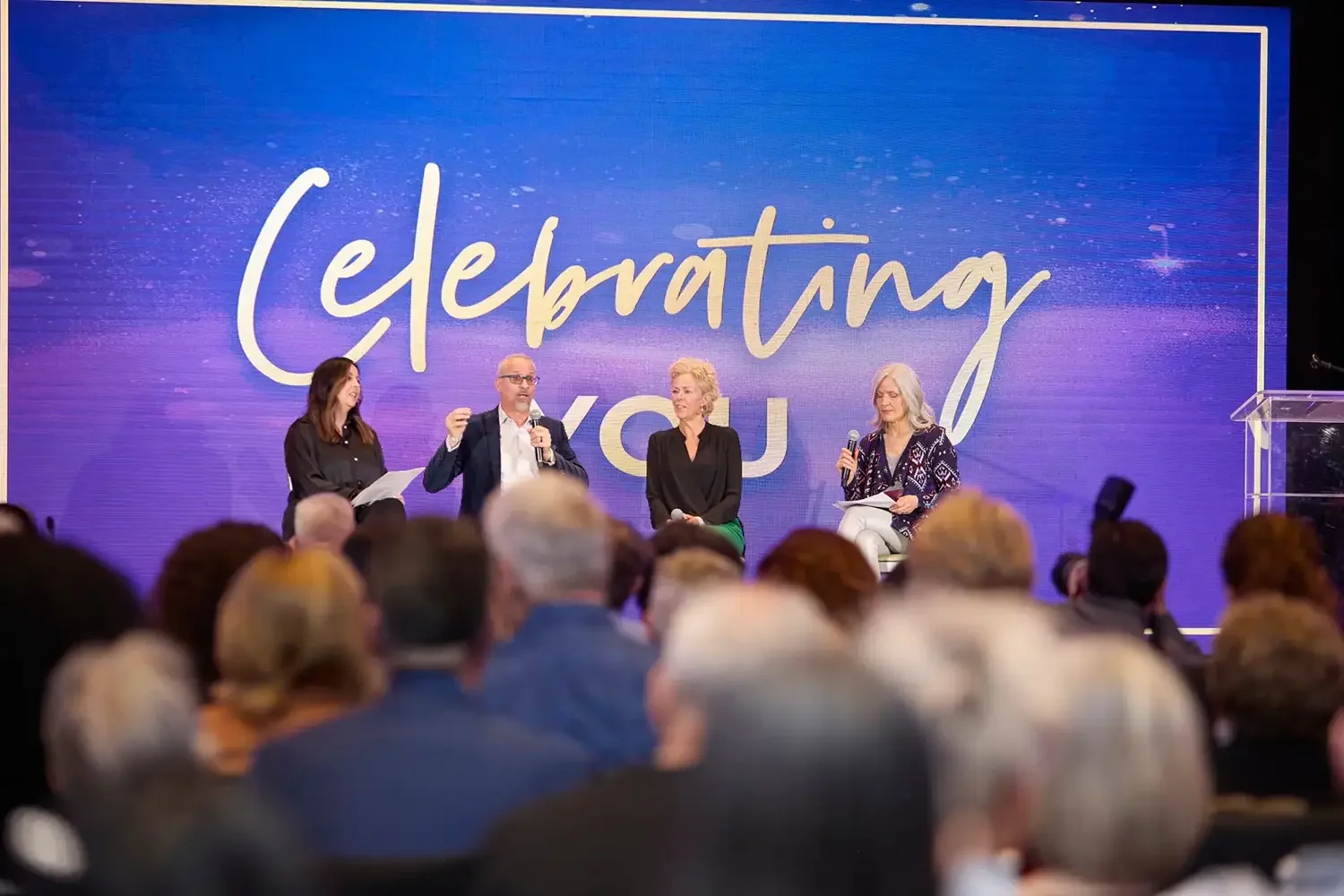
If You’re Organizing an Event in Montreal, This Helps You Get It Right
If you’ve been asked to organize a corporate event, you’ve been asked to take on a huge responsibility. There are a lot of moving parts to an event that all have to work seamlessly together or it falls apart.
You have to manage:
1. Booking the venue
2. Co-ordinating with sponsors
3. Promoting the event
4. Hiring vendors
5. Scheduling the various parts of the day
This list is by no means exhaustive (although it’ll probably feel exhausting once you get through it all). There are plenty more details to work out.
Hiring a photographer is one of the things on that to-do list of yours. The photographer plays an important role because they’re the one who will be helping you record the event so that you’ll have images to use for internal reports, public-relations releases and social media posts, among other uses.
To help make checking this off your list a bit easier, we’ve put together a checklist of information you need to have to make sure you book the right person. Getting all the shots you need isn’t simply luck, it’s the result of proper planning.
What Should Be Included in an Event Photography Checklist?
An event photography checklist for corporate events should include:
1. Defining the purpose of the photos
2. Creating a detailed shot list
3. Sharing the event timeline
4. Identifying key people (VIPs, speakers)
5. Confirming coverage needs
6. Coordinating key moments during the event
7. Setting delivery timelines
This ensures nothing important is missed and that your photos are actually usable after the event.
What Does an Event Photographer Need to Capture at Corporate Events?
Every event is different, but there are several key photos that need to be captured that they tend to have in common. There will always be:
1. VIPs that must be photographed
2. Key moments to capture
3. The atmosphere of the environment
4. Branding - both yours and any sponsors you may have
Quick Takeaway:
Plan your shot list and timeline in advance so your photographer knows exactly what to capture.
Pre-Event Planning Checklist
First, you need to figure out what the photos are going to be used for. Depending on the nature of the event, the shots could have many different uses, including:
1. Marketing (including social media)
2. Internal use
3. Public relations documentation and press releases
This is something that often gets overlooked at corporate events. Knowing what the shots are going to be used for will help you decide what gets prioritized. This is especially important if you’re putting together a large event that’s taking place over several days and in multiple areas of the venue at the same time, such as a trade show or industry conference. In this case, decisions might need to be made about which things need to be prioritized over others.
Here’s a basic shot list of potential photos you may need:
1. Speakers/presenters
2. Award nominees/winners, if any
3. Networking moments - candid shots of attendees interacting
4. Wide room shots showing the setup
5. Branding (logos, signage, promo items)
Remember, if you don’t define these things, there’s a good chance they could be missed.

Corporate events aren’t just about the people. Sponsors and their branding play an important roll, too.
Confirm Event Schedule and Timeline
You’re going to need a precise timeline of when (and possibly where) each element of the day will be happening. Without it, there’s no way the photographer will know where they need to be to catch the shots you need. Various key moments can include:
1. Speeches
2. Panels
3. Awards presentations
What Information Should You Give Your Event Photographer?
The photographer is going to need certain logistical information from you beyond the basic schedule of the day. They’ll need:
Venue Details - Obviously the address, but also they’ll need to know if there’s a room they can use as a sort of home base to put their equipment.
Lighting Conditions - Any information you can give them about the lighting ahead of time is helpful. How high are the ceilings, and what colour are they? Do you know what kind of ambient lighting the venue has?
Number of attendees - Knowing how many people you’re expecting can help the photographer get a better sense of what they’ll need to plan for. If the event is huge, they might recommend hiring an additional photographer to make sure nothing gets missed.
This is especially important for corporate events in Montreal, where venues and lighting conditions can vary significantly.
Quick Takeaway:
Make sure the photographer has all the logistical information they need ahead of time. The more they can plan for, the less they’ll have to figure out in the moment.
During the Event: Coordinating Key Moments
Remember that your photographer will have a lot to keep track of and concentrate on. You can best help them by making sure you give them advance notice any time something important is about to happen, such as a meet-and-greet photo opportunity for attendees with a VIP. You know the schedule better than the photographer, so giving them advance notice of key moments is critical.
Quick Summary: Event Photography Checklist
Let’s go over everything we’ve discussed. You’re going to want to make sure not only that your event is well-scheduled, but that your photographer knows exactly what kinds of photos you want, which ones you need and when key moments are taking place. You need to:
1. Define the purpose of the photos
2. Create a detailed shot list
3. Share timeline and event details
4. Identify key people (VIPs, speakers)
5. Ensure proper coverage (team, hours)
6. Coordinate key moments during the event
7. Confirm delivery timeline
This checklist helps ensure your event is properly documented and that your photos are actually usable afterward.
Quick takeaway:
Keep your photographer informed about key moments so nothing important gets missed.
Post-Event Checklist
So the event is done. Now what happens? You need to have a plan for the photos ready to go before the event starts. That’s right: you need to make sure the post-event workflow is part of the pre-event planning. Several things need to be confirmed before the big day:
Delivery time - Make sure the photographer knows when you need to have the photos ready.
Usage rights - The photographer needs to know what you intend to use the photos for so this can be placed in the agreement.
Select key images - Either you or the photographer (or both) need to go over the images to select the ones that are going to be used for immediate publication, such as social media posts.
Back up photos - Don’t put all your eggs in one basket. Make sure the photos are backed up to another hard drive, a cloud server, or both.
This checklist helps ensure your event is properly documented and that the photos can be used effectively for marketing, reporting, and future events.
Quick takeaway:
Make sure you know when you’ll have the photos and how you can use them.
Good Event Photos Start Before the Event
Good planning is key here. You need to make sure everyone involved knows their role and what’s expected of them. Corporate events have a lot of moving parts that need to work together for them to be a success. Just having a rough outline and planning on taking care of the rest on the fly is a recipe for chaos.
Something to keep this in mind: this might be your first corporate event, but if you choose the right photographer then it isn’t their first rodeo. You can ask them for advice on scheduling the day—they’ve seen what works and what doesn’t. They’ll have solutions to some of your problems.
It also helps to understand the most common mistakes people make when hiring an event photographer.
If you’re planning a corporate event in Montreal and want to make sure nothing gets missed, we can help you plan the coverage so you get exactly the shots you need—without having to guess your way through it.
Since a photographer’s portfolio is important, you should see samples of our previous event work.