
Why AI-Generated Headshots Fall Short for Professionals
The Appeal of AI Headshots
We all know that high-quality headshots are essential for many businesses and professionals, especially in a fast-paced society like ours. Images stand out much more prominently than words. For small, personality-driven businesses, the most effective way to stand out is by putting a human face in front of your audience. This is especially true in competitive markets like Montreal and Ottawa, where first impressions carry real weight.
It can’t just be a random snapshot of you as last summer’s family reunion pie-eating contest, though. It needs to be a high-quality shot that makes you look professional, approachable and confident.
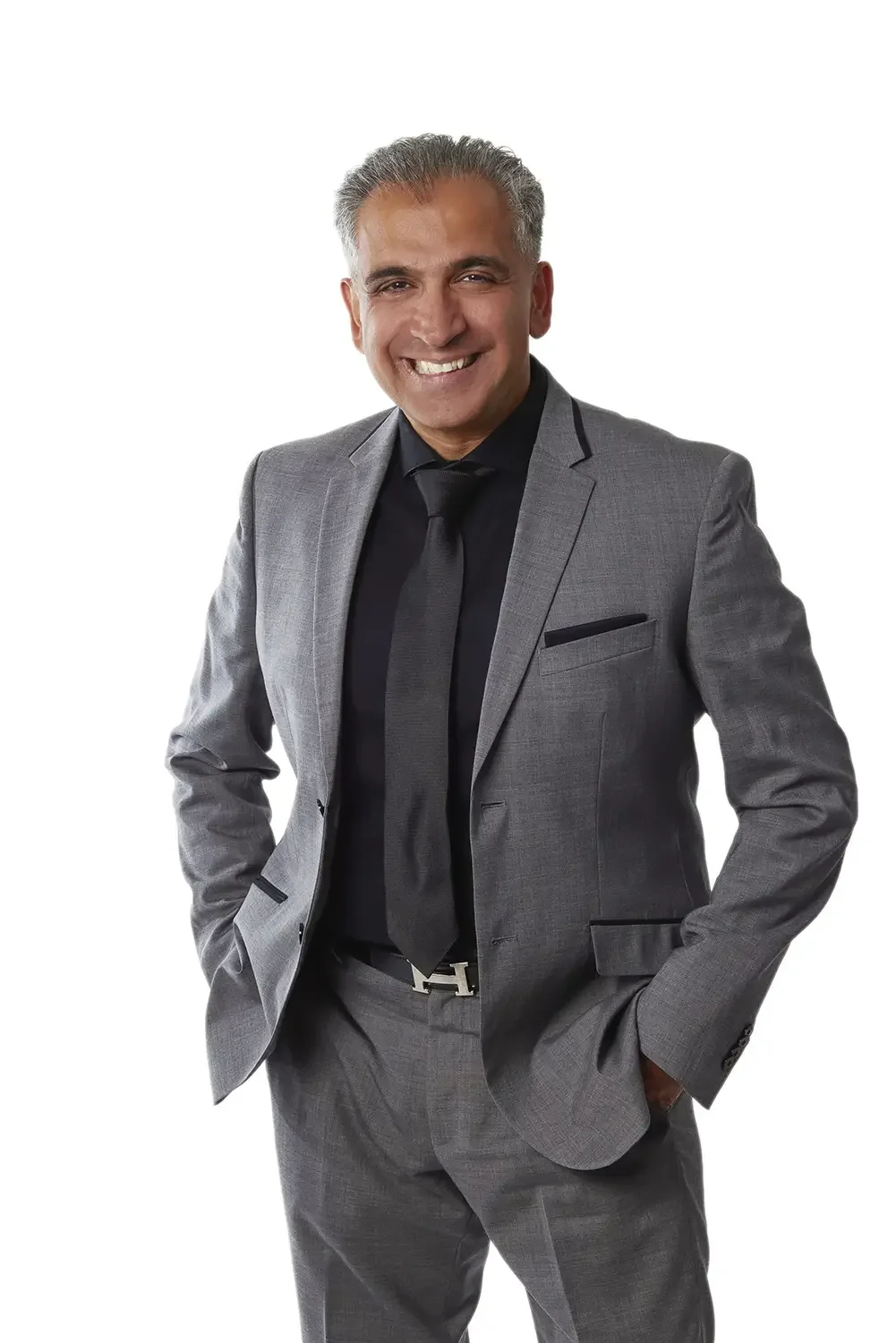
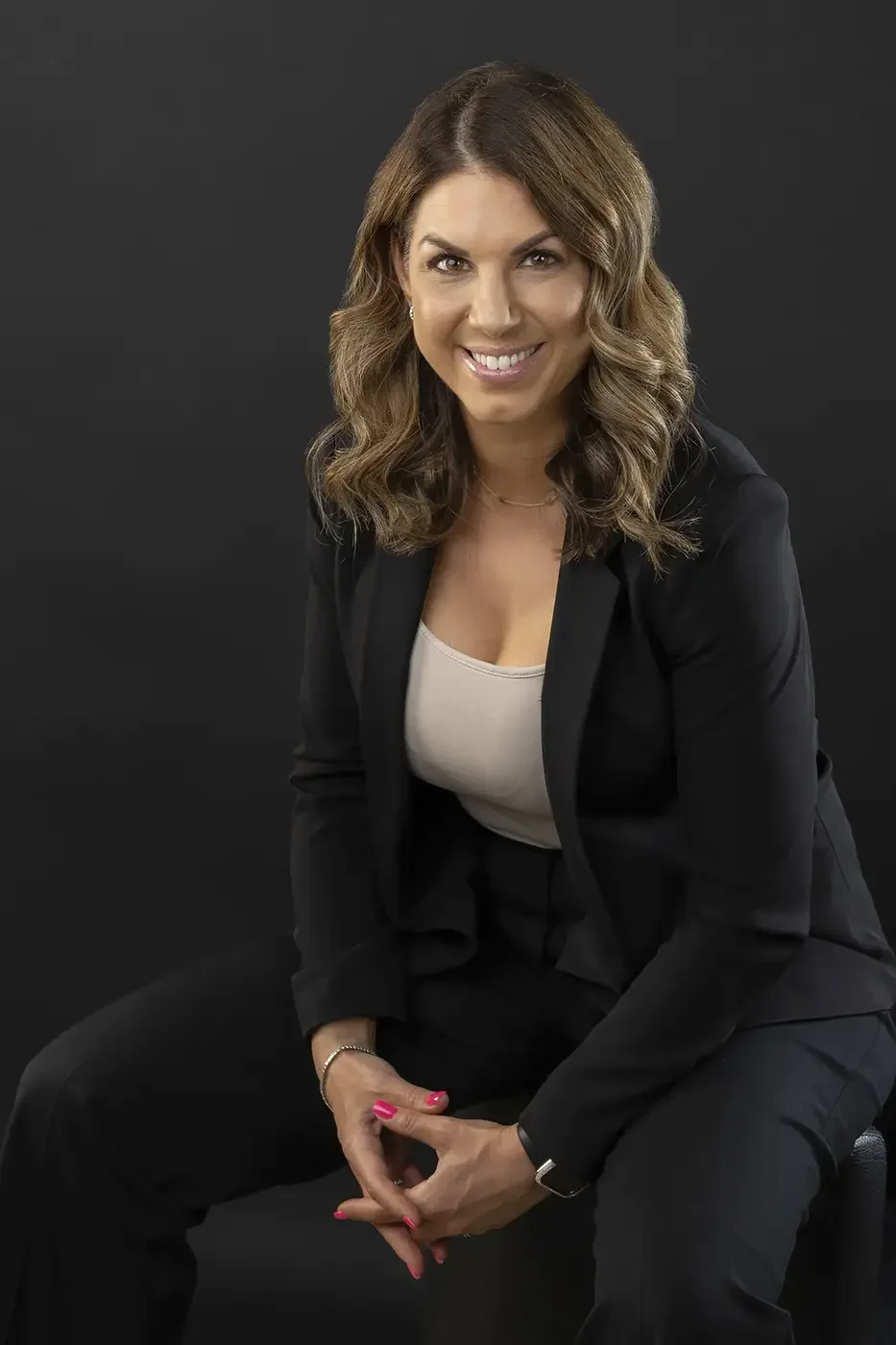
Traditionally, this meant hiring a professional headshot photographer. Someone who understands the psychology of posing and body language along with proper lighting. Professional photographers know how to make even the most camera-shy people look like naturals.
Modern technology has changed things. With AI technology, people are now able to generate headshots that can look nearly indistinguishable from real photos. The advantages are obvious: speed, price and options. The user can upload a few shots of themselves and AI can create a professional-looking headshot from those samples in seconds. The cost is lower than hiring a professional. And the background? It can be whatever you want.
But convenience isn’t the only thing that matters. There are trade-offs. AI-generated images have advantages, but there are disadvantages as well. These disadvantages - especially for smaller businesses - need to be taken into account and may not be worth the risk. AI headshots can work in low-stakes situations—internal profiles, temporary placeholders—but not in client-facing marketing.
The Authenticity Problem
AI Can Create a Face, But it Can’t Create You
When you take a photo of yourself, you’re using a light-sensitive piece of film or a digital sensor to record the light reflecting from you, creating an exact copy. The word photography literally means drawing with light. The image that’s created is an authentic reproduction of what you actually look like.
This isn’t what’s happening when you create a headshot with AI. It’s not actually a photograph, it just looks like one. You’re asking it to create an image using real photos of yourself as reference, but that’s all they are: a reference.
There will be subtle inaccuracies that make the image just seem a bit off. Perhaps you have one eye that’s a bit larger than the other (it’s not just you, roughly 90% of the population has at least a slight difference in eye size). The AI generation might have completely symmetrical eyes. This might not be something you’ll consciously notice, but you’ll still pick up on it. You won’t know what it is, but something about the image will just seem off to you. Other people will have that same reaction: something just seems off.
Imagine setting an appointment with a professional. This could be a real-estate agent, a wedding planner or an interior designer. You’ve formed a certain impression of them in your head based on the photos you saw in their marketing - their website, their Instagram posts or their ads. When you meet them, they look nothing like the photos.
You’re going to start to have doubts about this person’s authenticity, are you not? If they misled you about this, what else might they mislead you about? Your impression of their credibility has dropped. Here’s what happened. There was a gap between their online image and their real-life presence. This gap created doubt in your mind about their credibility.
Clients Buy Trust First
Why does this matter? Clients buy from people with credibility. With the sheer amount of AI-generated misinformation that’s prevalent online today, people are starting to value authenticity more and more. They want to know that the people they’re dealing with are honest and real. This is especially true for smaller businesses who rely on personal branding and relatability in their marketing.
A business that uses AI-generated images instead of real photographs in marketing designed to present the company as “real” or “authentic” can quite quickly be perceived as dishonest or misleading. This will lead to a very swift erosion of trust for customers and they’ll be very unlikely to ever do business with you.
Key Takeaway:
Your headshot isn’t just a picture—it’s a first impression. If it feels artificial, so do you.
The Originality Issue
Your Unique AI Image Isn’t as Unique as You Think
Think about how an AI-powered image-generation app really works. It doesn’t create truly original work. It’s been trained using a massive data set of real photographs taken by other people and it uses them as reference to create new images. It’s taking bits and pieces of those photos to create yours. This includes the background elements, skin tone, hair style and your pose.
Because it’s essentially a collage created using pieces from thousands of real images, it can start to look a bit generic. Many times, the result can be somewhat over-polished, or too perfect. People have been complaining for years that photos of models in magazines look unrealistic because they’re too perfect, right? This same thing can happen with AI-generated headshots. If your shot looks fake, people will notice that something’s off pretty quickly.
Part of the goal of your marketing is to differentiate yourself from your competitors. Your branding is how you do that. It’s your company’s identity. When your imagery and messaging start to look generic, you stop standing out from the competition. Everything starts to be the same. You lose your competitive edge. If there’s no perceived difference between you and the competition, what’s to stop customers from just going with whoever has the lowest price. Everything else is the same, right?
Image Ownership and Control
Do You Actually Own That AI-Generated Headshot?
That’s a very good, and very relevant, question. The answer, unfortunately, isn’t a simple “yes” like it would be with a real photograph. The concept of ownership is determined by law, and the law hasn’t made itself clear on this question yet. It’s too new, and it may not be resolved for quite some time.
You didn’t actually create the image, so it’s possible that you aren’t the owner. Furthermore, while it may look like you, it’s not an actual photograph of you. It could be that the company who owns the AI app is the owner of the image, or it’s even possible that there is no owner in the traditional sense. What’s to stop the app from adding this image of you to its data set?
Just like how your image could be similar to what other people have, someone else could start using an image that’s very similar to yours. The prompt you used, the real photographs you uploaded as samples and the image that was generated have all been added to the AI’s data set for future use.
If you’re using your headshot for marketing, advertising, or brand-building, unclear ownership isn’t just a technical issue—it’s a liability. If your marketing ends up looking too similar to someone else’s, you could be seen as copying—even if it wasn’t intentional. It could be even worse if their marketing is an actual, original campaign that AI decided was a great example of what you asked it for. This puts your image and your reputation in jeopardy.
The Big Advantage of Real Photography
Real photography, on the other hand, doesn’t have this problem. Ownership is clear: the person who created the image is the owner of the image. If you hire a real headshot photographer, this means that they are the legal owner of the image. This is a good thing. It means that the image won’t be used by anybody for anything without their permission.
And it goes further than this: you are the owner of your likeness. This means that the image also can’t be used for anything without your permission. Legally, nobody else can use the image, in whole or in part, without getting permission from both you and the photographer.
There are also the questions of originality and authenticity. The photo is clearly an authentic image of a real person, created by a real person. It’s an authentic reproduction of what you actually look like. In addition, it’s original. The entire artistic concept of the shot was the creation of one or more actual people, not a collage taken from a data set of other peoples’ previous work.
Key Takeaway:
You work hard on your marketing. You don’t want other people to be able to just take it and use it for themselves.
Short-Term Savings vs Long-Term Cost
I have a saying I’ve been using for years: the less you spend, the more it costs you. AI headshots save time and money upfront. That’s undeniable. It’s certainly more convenient. But what happens if potential clients hesitate because something feels off? Will using what they might call, “fake photos,” make them less likely to purchase from you?
And this is if they even connect with you at all. Your use of inauthentic imagery in marketing that tries to portray authenticity and human connection has a good chance of reducing your credibility. Engagement in your social media posts might drop off, you might see a reduction in new leads, and you might hear, “We’ll think about it,” more often than you had before. In short, people are less likely to trust you. All of this will translate to a loss of potential revenue. That “cheap” solution can become expensive very quickly - in lost trust, lost leads, and lost revenue.
Key Takeaway:
Business owners always need to consider the opportunity cost of their decisions. By choosing to save money with AI-generated images, what are you giving up?
What You’re Really Paying For With Professional Photography
There’s no doubt that professional photography takes a bit longer and costs more than AI. So what are you getting for the extra? Remember my saying from before? The opposite is also true: The more you spend, the less it costs you. Going with professional photography for your marketing is an investment.
Those ownership issues we discussed earlier are non-existent. So are the originality issues. You are the only one who will be using those photos and you’re the only one who will have anything that looks like that.
The authenticity issues are also gone. You’re using real photographs that show real people in a real setting. There won’t be any, “Something just seems off,” in these photos. They’ll carry credibility—and by extension, so will you. We’ve discussed it before, but it’s worth repeating: people buy from people they trust.
Those clients who would have been pushed away by your use of AI? You chose to stay true to your messaging about how authenticity matters, and they gravitated toward that. Instead of saying, “We’ll think about it,” they signed right away. That was a great choice on your part! Not a bad return on investment, I’d say.
Key Takeaway:
You get what you pay for. You’re paying for credibility, control, originality and authenticity.
Your Image is Too Important to Fake
This isn’t just about AI vs. real photography. It isn’t even about pure image quality. There’s no doubt that AI can create images that rival the technical quality of photography, but that’s not all that matters. It isn’t even about cost. Yes, AI is cheaper in the beginning. But smart business owners like you don’t just think about the short term. Growing a business is a long game and you need to make smart long-term investments.
Authenticity builds trust, and that’s the most important thing for you to do with potential clients. Originality creates recognition. People will begin to recognize your company’s personality through your unique messaging. Having ownership over the images helps protect the brand that you spend so much of your energy building.
If your image is part of your business, it shouldn’t be generated—it should be created with intention. It’s too important to leave to an algorithm. This is exactly why professional headshots and personal branding sessions are designed around how you want to be perceived—not just how you look.
If you’d like to see how authentic, professionally created images can strengthen your brand presence, get in touch.