
Why Lifestyle Photography Matters for Your Brand
(Especially for Small Businesses)

Why “Good Photos” Aren’t Enough Anymore
By now, most businesses understand that they need to have photos in their marketing. The days where a reception venue could say, “I don’t show photos because I want people to come visit in person,” for example, are long gone. Those clients will simply move on to the next venue. Having photos in your marketing has never been easier, and people have instant access to those images. But that’s the problem. Everyone has them.
Simply having photos isn’t enough because people are bombarded with all kinds of imagery. Brands need photos that help them stand out from the crowd and that separate them from their competition. Basic product shots against a simple backdrop are everywhere. Anyone with a cell phone can take a photo that’s bright and sharp, but that’s precisely the problem: anyone can do it.
This is where smart marketers can set themselves apart: by working with professional photographers who know how to create images that the average cellphone user simply can’t. This isn’t just a question of better lighting and composition. It’s the intent of the photos. Merely showing high-quality photos of a product is only the bare minimum. The photos not only need to show what the product looks like, they need to give a glimpse into the experience the product helps to create. Lifestyle photography shows how the product fits into real life. For local businesses - restaurants, boutiques, or service providers - this can be the difference between being unique and being forgotten.
Key Takeaway:
Having high-quality photos is just the beginning. The photos need to deliver the right message.
What Is Lifestyle Photography (And What It Isn’t)
Lifestyle photography is a type of commercial photography that’s designed to go beyond simply showing what a product looks like. The goal is to show the product in use. Lifestyle photography depicts a scene from real life that tries to tell a story about what kind of experience the product (or service) provides.
Picture a luxury car against a white background. That’s a product shot. Good lighting and composition, no harsh reflections... the shot looks great, but there’s nothing beyond the obvious. That’s a product shot. Now picture the same car outside of a fancy hotel or club at night. There are two well-dressed people next to the car, appearing to talk or laugh. They each have a wine glass in their hand. The car may not even be the central focus of the shot; the composition is such that the viewer’s eyes are actually directed more toward the couple, but the car is still clearly there. This is a lifestyle shot. It shows the product (in this case, the car) in use and how it fits into a certain lifestyle.
Other examples could include people sitting at a table enjoying a meal at a restaurant instead of just a photo of the dish. A photo of an SUV driving through a mud pit in the middle of a forest talks about the experience of owning the SUV. And then there’s fashion. There are countless examples of how lifestyle photography is used to market different types of clothing, from evening gowns to sweatpants to running shoes. Lifestyle photography doesn’t just show the product, it shows the product in use.
Why Small Businesses Benefit the Most
Small businesses tend to focus more on their one-on-one relationships with clients on an individual level. The personal touch is very important and it’s a way they distinguish themselves from the type of service one usually expects from a large corporation. It’s much more personal.
Because of this people-oriented approach, lifestyle photography can become even more useful. Remember, the goal of lifestyle photography is to show how it fits into real life. That’s exactly what small businesses do: they don’t just try to sell the product or the service, they try to sell the experience of working with them.
My own industry is a perfect example of that. If you’ve ever shopped around for a wedding photographer, you know that the price varies drastically and there are many different styles that you’ll come across. What separates the entry-level photographers from the luxury ones? Yes, the portfolio and skill of the photographer do come into play, but there’s something else: the experience of working with them. The more experienced (and usually higher-priced) photographers tend to offer a much more memorable overall experience beyond just the photos themselves (which are the product, in this case).
First impressions matter a lot for small businesses. Large corporations have the budget to shape or reshape their image through repetition over many media forms and over a longer period of time, but small businesses generally don’t have the ability to do that. This is why making a good first impression matters. A good lifestyle photography campaign that shows the experience of using the company’s product or service will establish that impression. This is how a small business can compete with the big dogs.
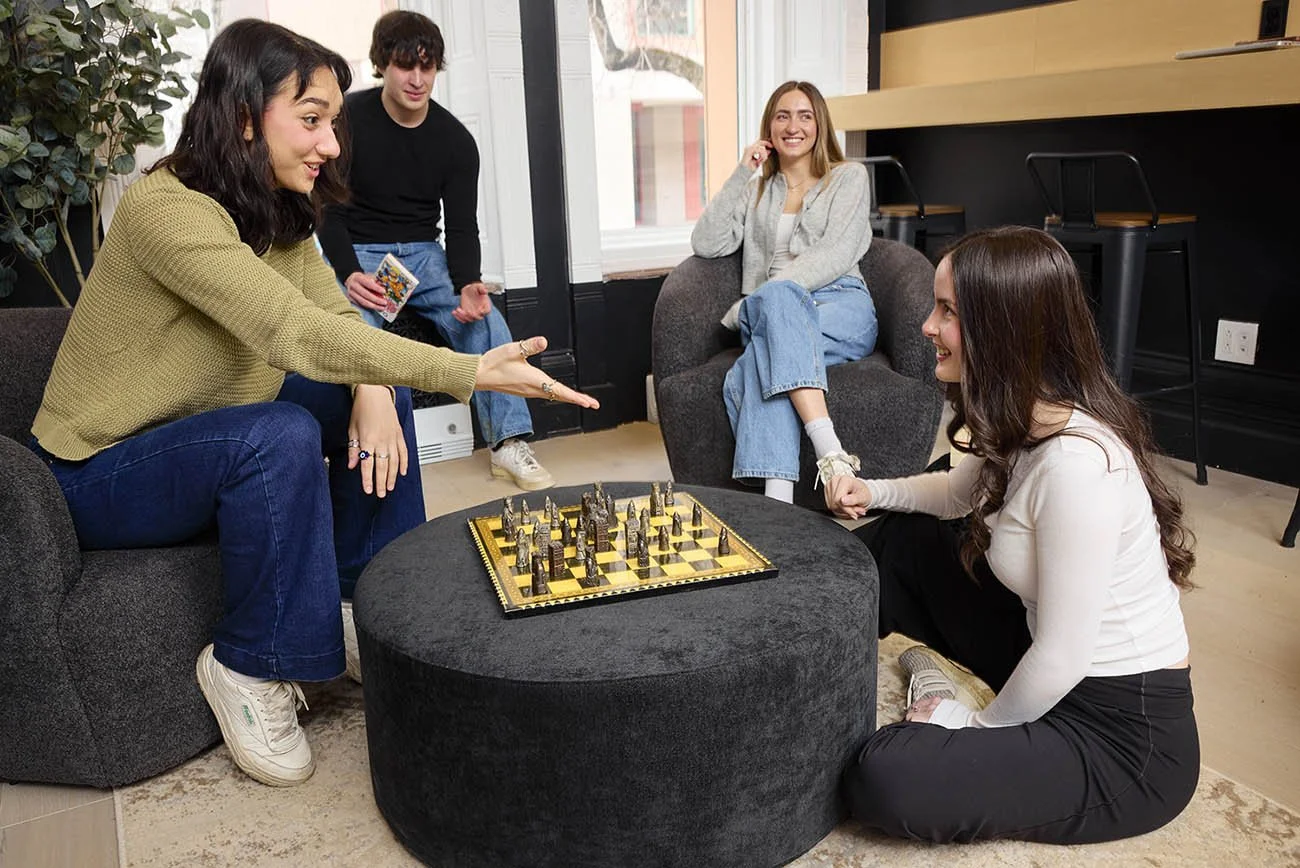
It Shows the Experience—Not Just the Product
Customers don’t just buy products, they buy outcomes and solutions. Consider this situation:
• Problem: you have a headache.
• Solution: buy medication.
• Outcome: feel better.
This is a simple way of viewing the purchase process, but it’s effective. People go through the same basic process for other purchases, such as a sports drink. You’ve been seeing examples of lifestyle photography for Gatorade for years. The photo for this kind of product would likely show an exhausted athlete drinking the product in between workouts, possibly in a gym or on a soccer field.
Not only does the photo tell people what the product is for, but it also tells them who it’s for. Continuing with our sports drink example, the people in the photo represent the product’s ideal client: younger, active people who are in great shape.
It also appeals to another segment, though: the people who want to be associated with that lifestyle of being active and in shape. Lifestyle photography not only appeals to the ideal client, it helps to define it. It says, “This product or service is for these people. If you’re like them, it’s for you.”
It also sends the message that the product fits in with the client’s lifestyle and should be made a part of it. Lifestyle photos of a coffee shop, for example, would show the atmosphere of the place. Photos would concentrate on showing conversation and connection, as coffee shops are places people go to hang out and be with friends.
Photos for a Montreal Airbnb listing would show the space, of course, but they’d also concentrate on showing the details that tell you about the experience of being on the property.
A group of people gathered around the fire pit to roast hot dogs at a log cabin, for example, can do way more for the listing than just basic property photos. Showing the lifestyle of the property is a big part of marketing an Airbnb listing.
Key Takeaway:
People buy outcomes, not just products. Lifestyle photography can help you answer the unasked questions that clients have.
It Builds Trust and Emotional Connection
Your goal is to make a connection with your clients. People connect with other people, not objects. A local business that sells remotely generally doesn’t have any opportunity to build a connection with their clients through direct communication. This makes lifestyle photography invaluable because it allows them to build that connection through their marketing material that they can’t otherwise do because of the nature of their business model.
Showing real people interacting with the product creates the sense of authenticity that customers look for, especially in smaller businesses. That’s not to say that it isn’t useful to larger businesses as well, though. A problem that larger companies have to overcome is the perception of them being big, nameless and soulless corporations.
The sense of authenticity provided by lifestyle photography helps add a human touch to how they’re perceived. The subtle cues provided by body language and expressions help to create the sense of authenticity and relatability that builds the customer’s sense of trust in your brand.
It Makes Your Marketing More Effective Everywhere
Lifestyle photos are quite versatile. Different photos from the same shoot can be used in many different areas of your marketing. Shots that provide a general overview of your concept can live on the main and services pages of your website (a group of people hanging out in a ski lodge) while more detailed shots are used in social-media posts talking about the product (closer shots of individuals with the product).
Your digital and print ads, meanwhile, can use shots that concentrate on the product in use (perhaps a close-up of the product in the hand of one of the models). You’ve just created material for an entire marketing campaign across multiple channels from one shoot. That’s an effective use of the marketing budget!
Not only have you saved money, but you’ve also tied everything together by creating consistency. No matter where your customer sees one of the images, it will create the same sense of recognition. The photos can have the same tie to your brand identity as your logo.
This allows you to have one cohesive message repeated throughout your marketing. Whatever feelings you’re trying to evoke in your client and associate with your brand, it’ll be the same no matter where the customer sees it.
For more information, take a look at our Lifestyle and Personal Branding Services!
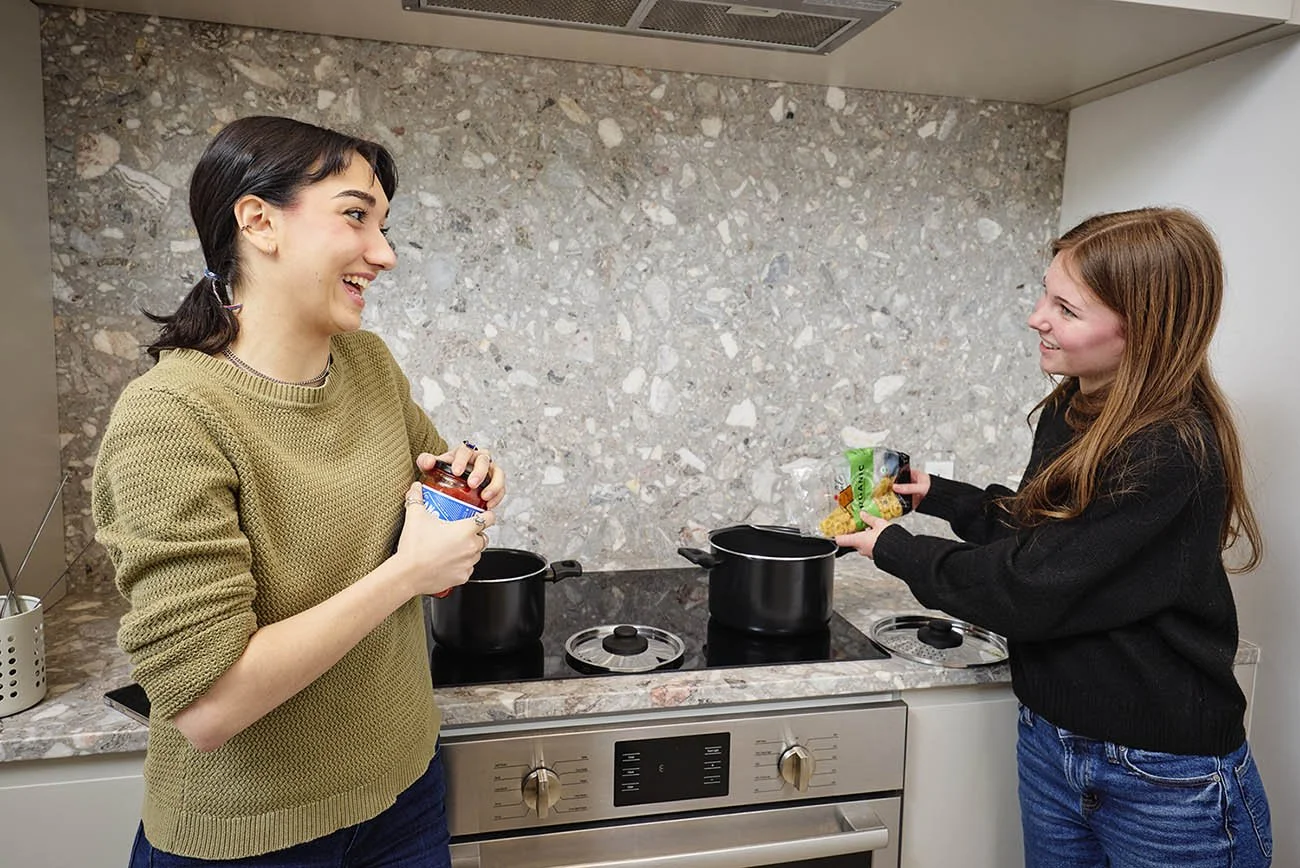
It Differentiates You From Competitors
One of the biggest challenges facing any company, big or small, is how to stand out from the competition. If the other guy has the same thing, why should someone buy from you? Obviously you could simply offer a lower price, but there’s nothing to stop the competition from doing the same thing. This results in a race to the bottom that benefits nobody, not even the customer because the client experience will inevitably suffer.
This is why businesses spend so much time coming up with conceptual ways to differentiate themselves from each other. Kia and BMW both sell cars, but nobody would think that they’re similar. They’ve each created a brand identity to differentiate themselves from everyone else.
In the case of small, local businesses, however, marketing methods can sometimes be a bit generic. Stock photos have been a simple way to get imagery for marketing for decades.
The problem, however, is that there’s nothing about stock photos that is truly unique to the brand. You might have a photo of someone drinking coffee in a café, but it’s not your coffee or café. The business three blocks away might be using the exact same photos.
This causes marketing to start to look generic, which makes it very difficult to build that unique brand identity that your business relies on to set it apart from the competition. Could you ever imagine both Coke and Pepsi using the same stock footage of people drinking cola from glasses, with no visible branding?
This is a big advantage of a lifestyle photography shoot: it’s unique to you. You can use the photos to help craft whatever brand image you want. You’ll be the only one with these images and you’ll have something that will help you stand out from your competitors instead of making you blend in.
Competitors won’t be able to have the same thing as you. Literally, they can’t. Your product is in the photos and either you or your photographer owns the rights to the images, meaning other companies simply can’t use them. It would be against their own interests to do so, anyway, because they would be perceived as inauthentic.
Key Takeaway:
Good lifestyle photography helps you establish your brand identity so you can stand out from your competitors.

Why Generative AI Falls Short for Lifestyle Branding Photography
The Appeal: Fast, Cheap, and “Good Enough”
“Why would I hire a photographer when I can just use AI?” Believe me, I’ve had this question before. Yes, AI can create some good results. And it’s certainly fast and inexpensive - at first glance. But it’s not perfect. There are many ways in which AI-generated images can fail your business:
• Lack of authenticity
• Subtle visual inconsistencies (there’s just something that seems off)
• Generic, repeatable outputs
If you get nothing else from this, the one takeaway should be that authenticity matters. This is the same issue I break down in more detail when it comes to AI-generated headshots.
You need something that’s unique to you and that actually came from you. In today’s society, people are bombarded with AI slop and some of it is very difficult to distinguish from reality. Customers are starting to value authenticity and many of them will actually be turned away by anything they see as fake.
I’ve heard many people over the years look at an imperfection in an image (either a real photograph or an AI-generated image) and dismiss it by saying, “Nobody’s going to notice.”
Here’s the thing: people will notice. They may not be conscious of it (“Oh, look, that person’s smile is wrong,”) but they will certainly be aware of it. Have you ever looked at a photo and said, “I’m not sure what it is, but something just seems off?” You’re not the only one. When people sense that something is off, they tend to stay away.
AI images can make your goal of consistency difficult to achieve. You could ask it to generate three similar images of a given scene in a Montreal coffee shop and it might be simply incapable of rendering them as if it were the exact same place. The tables might be different colours. The people might be different. There will be obvious consistencies throughout. There’s a good chance that it simply won’t be able to give you a set of images that look identical when necessary.
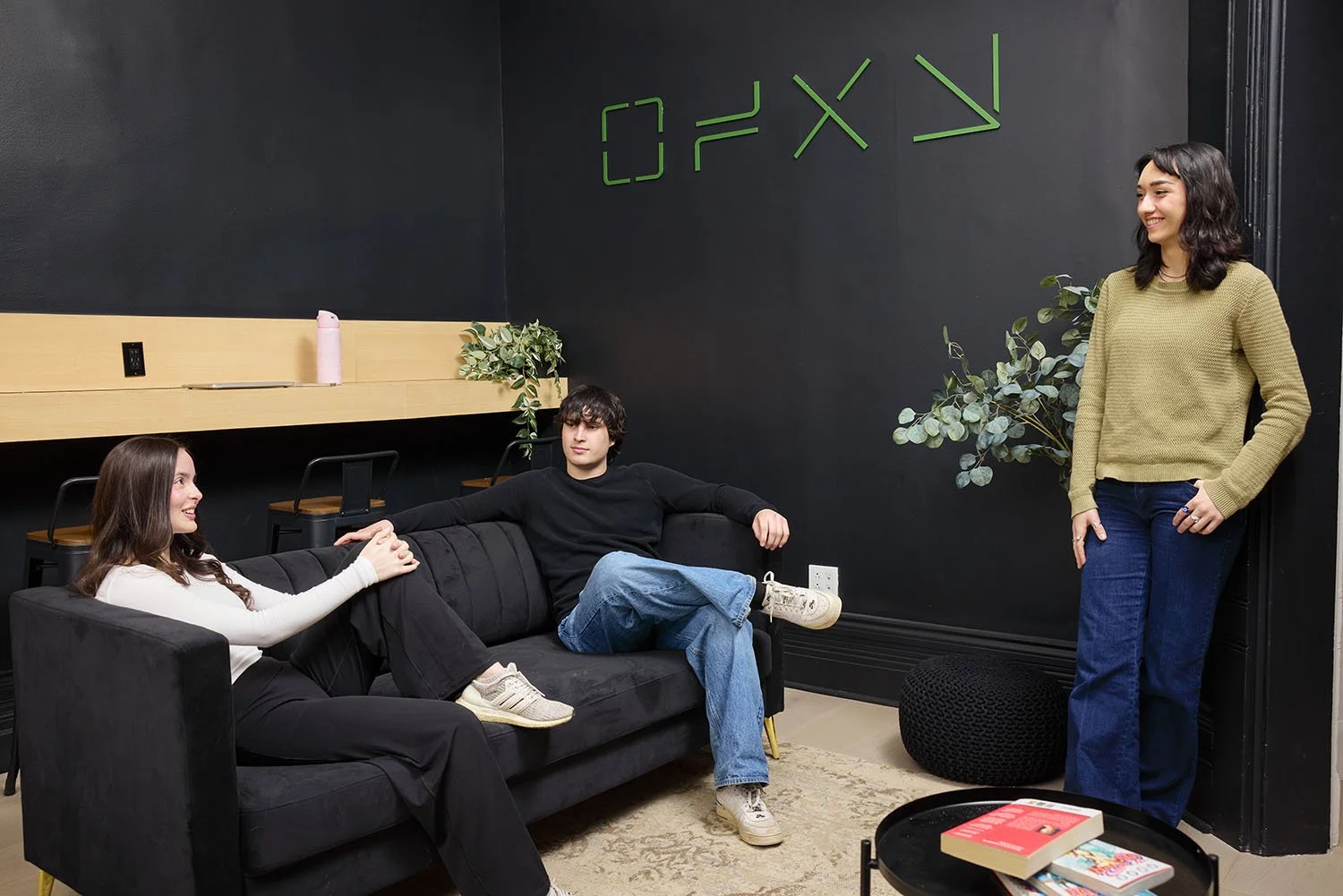
Real-world example: I know someone who used AI to help them write and format their resumé. It did a great job initially and the layout was great, but there was one key piece of information that was left out. They asked the AI to simply update it by adding the extra information, but it was completely incapable of keeping the same formatting and layout.
They fought with it for a good 20 minutes, trying to get it to simply add this one piece of info. Finally, they gave up and did it manually. Copying the format into a word processor and adding the info themselves took about 35 seconds.
In some ways, AI is no different from stock images. They can be pretty generic because they can’t accurately represent your space, your people or your brand identity. Like stock photography, they could be representative of any business.
Also like stock photography, you don’t own them. That competitor three blocks away that has the same stock photos as you? They could also have AI-generated images that look incredibly similar to yours. All they have to do is enter similar prompts. The AI is drawing from the same data set to create their images that it used for yours. In both cases, the images are generic. If your current visuals don’t reflect your real business, that’s a problem worth fixing.
Key Takeaway 1:
AI is still generic. Generic is forgettable.
Key Takeaway 2:
AI is inauthentic. Inauthenticity hurts your brand image.
If your brand depends on trust and experience, this is where AI starts to fall apart.
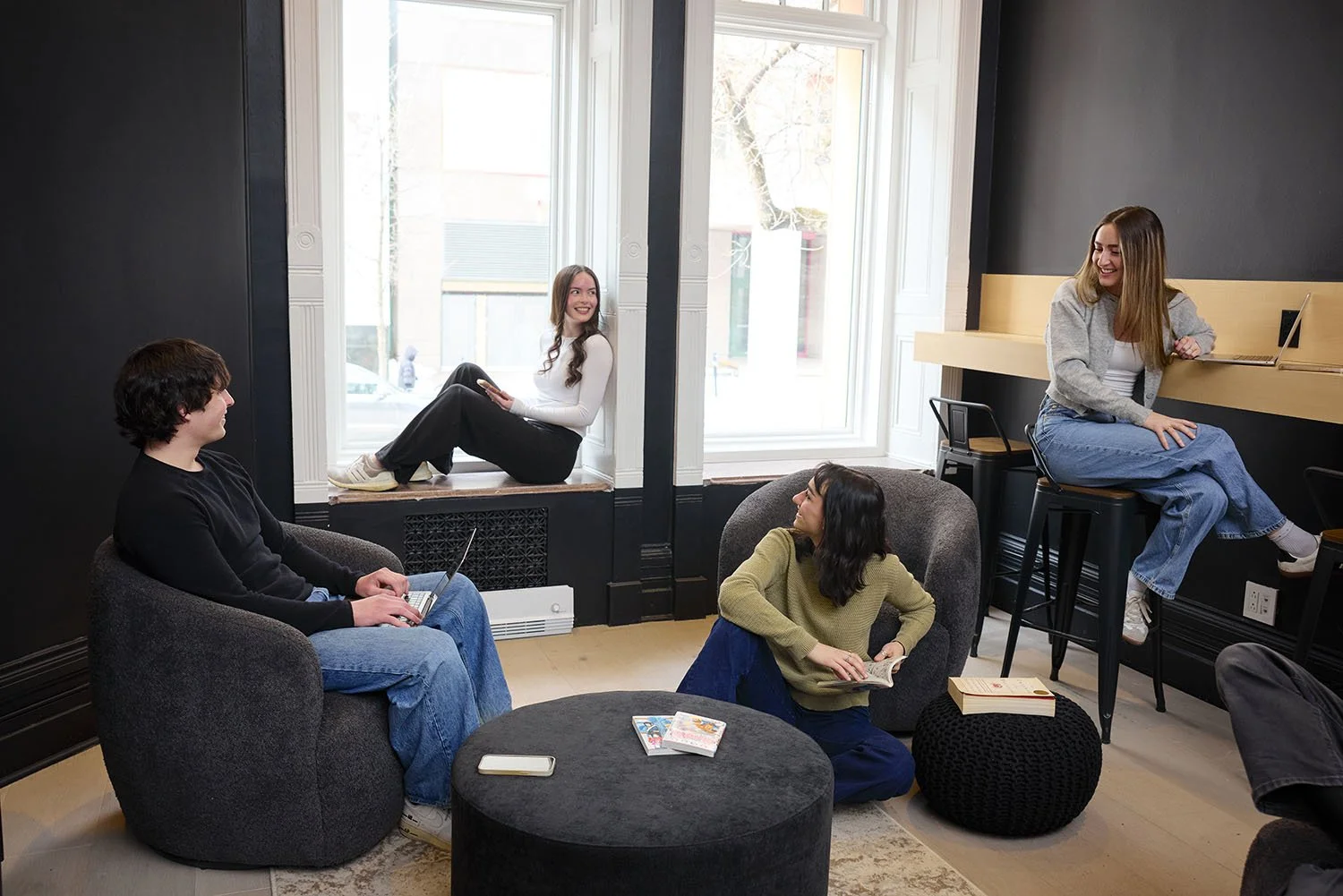
It Supports SEO and Conversion
Beyond branding and trust, there’s also a practical benefit: performance. Lifestyle photography doesn’t contribute to search-engine optimization directly, but it does have some impact. It’s no secret that strong visuals help increase engagement.
A site with good photos will keep visitors longer. They’re likely to spend time looking at the photos and time on site helps increase your site’s relevance in the eyes of the search-engine gods. Your bounce rate will also decrease and people will be more likely to explore your site, all of which are metrics that will help you in the long run.
This will be especially helpful for people doing local searches as your photos will be optimized for searches in your area. The proper keywords in the image title and alt text will help them show up in search results and the strength of the images themselves will lead to clicks.
Engagement with social media posts will also increase. A social media post with good photos is likely to have more comments and other interaction. User engagement is what keeps them interested in your brand and, eventually, turns some of them into customers.
High engagement will also help your posts reach a larger audience, which will, in turn, lead to even more engagement. More engagement means a better chance at converting some people into customers.
Key Takeaway:
Lifestyle photography can indirectly help seo and conversion by grabbing and keeping the viewer’s interest longer.
Common Mistakes to Avoid
Like every other aspect of your marketing, there is a right way to do a lifestyle shoot and a wrong way. There are certain things you should avoid:
• Overly-staged or unrealistic scenes
• Not aligning visuals with target audience
• DIY approach without strategy
Going over the top with your staging is going to hurt your brand. Remember, you want to establish authenticity. If the scenes in your photos aren’t believable and the models look like their expressions are fake, you’re going to turn people away. Overdoing it will end up under-performing.
Always keep your target audience in mind. Your photos need to show scenes that align with their lifestyle. If you’re selling a martini mix, don’t show images featuring people gathered around a t.v. to watch Sunday football.
You know who your target audience is, what they like, where they hang out and what they like to do. Your photos need to meet them where they are. If you don’t do that, they’re simply going to move on to the first person who does.
You can’t just throw something together quickly. You need a strategy. All that time you spent refining your target audience and learning about them? Use that info. Spend the time to come up with a concept that appeals to them, and don’t be afraid to find people who can help you.
There are people who set up these shoots for a living. The money that you spend on an expert will come back to you. It’s not an expense, it’s an investment. The difference? Investments bring you back more than they cost. Poor planning leads to poor results and you only get one chance at that first impression.
Key Takeaway:
Proper planning matters. Rushing through without clear direction will result in failure.
Your Brand Is the Experience You Show
If you’ve come this far, you’ve noticed a central theme repeated: Authenticity. If you get nothing else from this article, it should be this. Consumers want to know that the company they’re dealing with is real, but they also want to see that it’s a company they can identify with. If the company reflects who they are, they’re likely to have a positive image of it.
This is what lifestyle photography does. It gives customers a way to see not just what the company sells, but what kind of personality it has. It tells consumers, “This is the kind of person that uses this product or service. Is this the kind of person you are or want to be? If so, it’s for you.”
Your visuals need to help people see themselves using the product or service that you provide to your customers. If they aren’t doing that, they’re not doing the job of helping consumers make their decision. You’re making it harder for customers to decide you’re right for them when you should be making it easier.
FAQ
-
Product photography focuses on the product itself. It makes the product look appealing and can have a concept related to its use, but it doesn’t go beyond that.
Lifestyle photography focuses more on the experience of using the product and how it fits into a person’s lifestyle. It answers the unasked question, “Is this for me?”
-
Any business, large or small, can find a way to benefit from lifestyle photography. It doesn’t matter if your business is a:
Vacation rental on Airbnb
Craft beer brewery
Real estate office
Fashion brand
It can benefit from lifestyle photography in its marketing.
-
Lifestyle photography builds trust by reinforcing authenticity. People want to know that there are other, real people behind the company they’re dealing with. Showing real people in a natural setting that customers can relate to helps build trust in the brand.
-
It’s not ideal. While AI-generated images can be faster and less expensive in a pinch, it can cause issues that will work against what you’re trying to accomplish.
Using AI images will hurt your attempt to promote authenticity because nothing in the images is real. Think about irony of the ads Coke runs over Christmas. Their company tag line is, “Always the real thing,” and they’re running an ad that is completely AI-generated.
-
Local businesses rely on a strong brand identity within their market to help them stand out. This is the best way for them to compete with much larger companies that have bigger marketing budgets at their disposal.
Lifestyle photography is a great way for local businesses to promote their brand identity. It’s easier for customers to relate to the brand when they see elements (the locations, the people in the photos) that they recognize from their own lives.
-
Absolutely! Small businesses can get huge benefits from lifestyle photography. Small businesses tend to focus more on personal connection with their customers. Lifestyle photography helps to promote the experience of that personal connection as well as the product or service itself.